Tuesday, March 14, 2017

How To Detect Impacted Wisdom Teeth

People experience different symptoms of having impacted wisdom teeth. Some don’t even experience symptoms. To prevent complications and to ensure oral health, it is important to have these teeth removed. Here are some ways to detect impacted wisdom teeth:

Difficulty opening the mouth

Some people who experience this symptom feel as if their jaw is stuck and their mouth is unable to do its usual movement. If the mouth and jaw feel numb for a certain time, perhaps it is due to an impacted molar.

Image source: Charlies-magazines.com
Bad breath

There are many reasons a person may have halitosis. However, an impacted tooth can trap particles of food and hard to clean. This causes the growth of bacteria that may cause bad breath.

Metallic taste in a person’s mouth

Some people describe this symptom as if they can taste something metallic in their mouth. This is perhaps due swollen or bleeding gums that react to the wisdom tooth or teeth’s growth. This can worsen if the area around the impacted tooth becomes infected.

Sensitive teeth and gums

An erupted molar can affect other teeth and the gums as well. Gingivitis may be a common occurrence, but it can be a telling sign that a person may have impacted wisdom teeth especially when gums feel tender and bleed at the slightest brush.

Image source: Healthtap.com
When one or two of these symptoms occur, it is best to seek the help of a dentist. While extraction might not be immediately suggested, a dentist can provide solutions to a patient to control the painful and uncomfortable symptoms before the operation.

Dr. John Pasqual, an oral and maxillofacial surgeon, helps in rebuilding bone structure with minimal surgical intervention and optimal patient comfort. Visit this website to know more about his practice.

Wednesday, February 15, 2017

A Guide To Dental Implant Maintenance

Dental implants certainly improve a person’s smile and confidence. Here are some ways to keep these implants and the rest of the teeth healthy:

Brush regularly.

Dentists and dental hygienists cannot stress enough the importance of regular brushing. Even with implants, people are expected to brush three times a day to keep their teeth clean and healthy.

Image source: Linkedin.com
Keep on flossing.

Dental implants are not prone to tooth decay but they are prone to stain and dirt that seep in the remote areas of the teeth. To prevent discoloration and infection in other teeth, flossing is the solution. For those who are not so fond of the threading floss, they can use water floss, a device that squirts water in the hard to reach areas. This tool prevents the buildup of dirt and keeps teeth looking clean.

Spend time in the dentist’s chair.

Dental implants can last up to twenty years. But this doesn’t mean that check-ups are no longer necessary. Going in for routine comprehensive cleaning will ensure the longevity and the quality of the implants. Dental hygienists also have better tools that will preserve not just the implants but all of the teeth.

Image source: Dentalcarematters.com
Maintaining oral health is a must whether or not a person is using dental implants. Having clean teeth can protect a person from periodontal diseases and other conditions.

As a board-certified oral and maxillofacial surgeon, John Pasqual, DMD, PA,  is an expert in techniques designed to rebuild bone structure with minimal surgical intervention and optimal patient comfort. He also diagnoses and treats facial pain and facial injuries, among others. Visit this page for more information about his practice.

Tuesday, February 7, 2017

How To Know If You Are a Candidate For Dental Implants

Dental implant procedures have become one of the most common solutions to tooth loss; however, not everyone is fit to be fused with dental implants. What makes an ideal candidate for the surgical procedure?

Adequate bone support
Dental implants are fixed inside the mouth by fusing them with the jawbone. Insufficient bone density or growth can hinder the success of the dental procedure; this is also the reason children usually do not qualify. Those who do not have enough bone support can instead undergo bone grafts or mini-implants.
Image source: huffingtonpost.com

Improved overall health
A dental implant is a surgical procedure, which is why the overall well-being of the patient is paramount. Those with heart conditions or sleep apnea are discouraged from having dental implants as anesthesia is involved in the process. Furthermore, patients who have diabetes, drink alcohol, or smoke encounter a lower success rate because of poor oral health associated with these conditions and addictions.

Healthy gums
Gum disease and infection affect the gums, bones, and ligaments attached to the teeth, which is the primary reason for adults losing their teeth. Poor gum health can also cause the failure of dental implants.
Image source: fisapostului.eu

No bruxism
Bruxism is the medical term for the clenching or grinding of the teeth and jaw. While doing it infrequently may not cause lasting problems or symptoms, doing it persistently can not only result in jaw pain or discomfort but also reduce the success rate of the dental implant.
Dr. John Pasqual, DMD, PA, is a board-certified oral and maxillofacial surgeon with years of expertise in conducting dental procedures, including dental implants. Read more about the procedure here.

Tuesday, January 10, 2017

Some Facts About Wisdom Teeth

Dental health means having a proper education about how teeth work behind the scenes. Not a few people are surprised to know a number of facts about wisdom teeth, for instance. Here are some of them:

Image source: youtube.com


  1. Wisdom teeth are called such because they grow by the age of “wisdom”, during which most agree that a person forms an independent identity. Specifically, this is in the age of 17 to 25 years.
  2. Normally, wisdom teeth can grow in each of the four quadrants, but there may be times when a person grows more than four wisdom teeth in his lifetime. These are called supernumerary teeth.
  3. Wisdom teeth are not problematic teeth per se. However, these do cause problems for other teeth as they develop. This is when they are considered impacted, and so they need to be removed.
  4. Not everybody grows wisdom teeth. A congenital condition called agenesis of the teeth, which is attributed to a particular gene, has been observed in nearly 100% of Mexicans. This is technically an indication of underdevelopment.
  5. There is a huge risk in not having an impacted wisdom tooth removed. The crown of an impacted wisdom tooth is associated with a jaw cyst. When left untreated, a cyst can destroy the bone around it.
  6. Not all wisdom teeth have to be removed. However, there is already an existing technology that can be used to predict whether or not a wisdom tooth will cause harm in the future. The best advice to be sought still comes from the world’s most advanced practitioners in dentistry.
Image source: youtube.com


John Pasqual D.M.D., P.A. is a board-certified oral and maxillofacial surgeon and fellow of the American Association of Oral and Maxillofacial Surgeons. Follow this blog for the latest in dental surgery.

Tuesday, September 13, 2016

Harmful Habits That Could Damage Dental Implants

Dental implants are a great way to fix a person’s smile. After the procedure, a person must maintain the implants by following proper oral hygiene and regularly visiting the dentist for a check-up. While waiting for the implants to heal, here are some harmful habits to avoid:

Using the teeth to crush ice cubes, hard candy, or other hard food Carelessly using the teeth to chew on hard food might cause the implants to crack. Doing this action repeatedly might affect the post of the implant and make the teeth crooked. When the teeth are still healing from the procedure, chewing on objects for long periods of time is not suggested as food getting into the gums and inside the implants might cause a wound or an infection.


Image source: Thebruneettediaries.com

Smoking Nicotine and tar can stain the implants. It could also slow down the healing process as the nicotine in tobacco products deprives the body of essential nutrients such as Vitamin C, which promotes quick recovery. Those who chew on their tobacco might cause wounds and infect the gums around the implanted tooth.

Image source: Efp.org

Consuming sugary drinks Sugar damages the enamel of the teeth. Drinking lots of soda and sports drinks might lead to tooth decay. While waiting for the implants to heal, patients are suggested to drink water or other sugar-free beverages.

Avoid these harmful habits to have a speedy recovery. Dental implants are an investment for a person’s self-image. Even when the teeth and gums have healed, maintenance is still crucial to keep a confident and healthy smile.

Dr. John Pasqual, DMD, PA,  is an expert in techniques designed to rebuild bone structure with minimal surgical intervention and optimal patient comfort. He also diagnoses and treats facial pain and facial injuries, among others. Visit this page for more information about his practice.


Wednesday, August 10, 2016

Immediate Implant: Teeth In a Day Or Hour

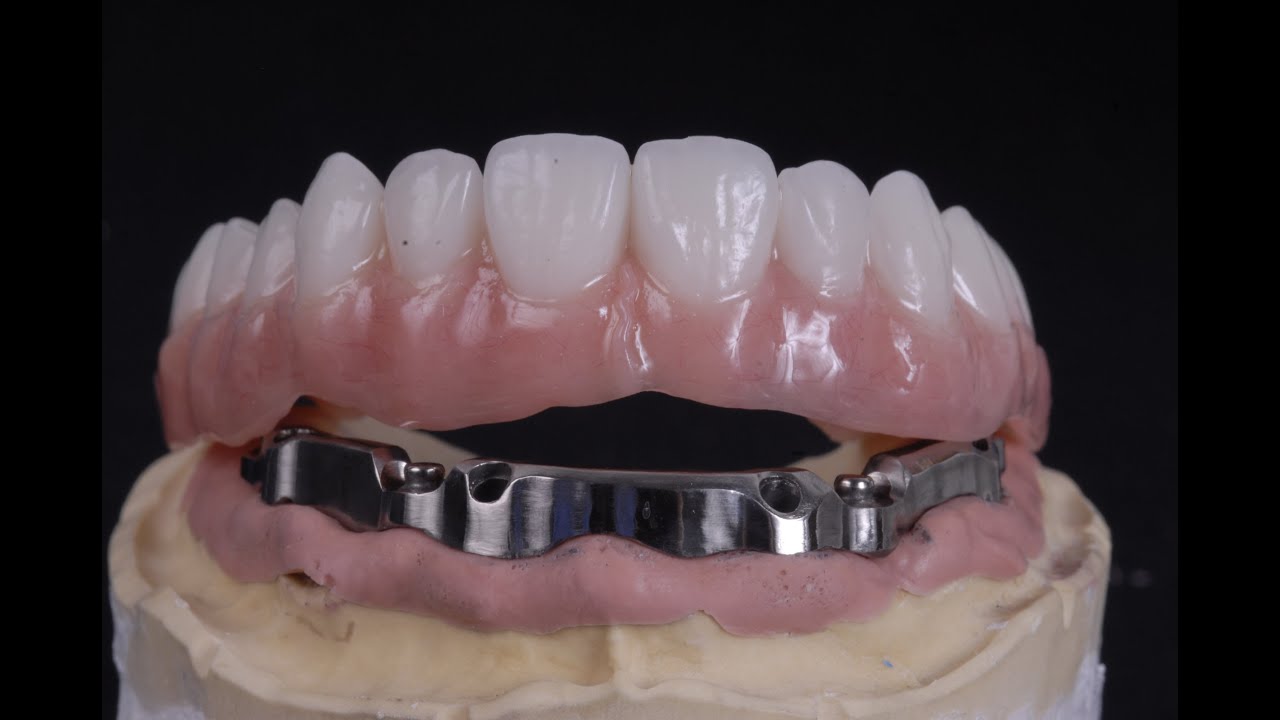
A bar attachment denture is a revolutionary method of restoring a full set of teeth.

Image source: youtube.com

Conventional dentures could be rather limited, especially because of the difficulty of securing the prosthesis inside the mouth. In most cases, these dentures can be painful, uncomfortable, inconvenient, and constraining to everyday activities, such as chewing food.


The bar attachment denture provides a stable replacement for the missing teeth, and uses a full dental bridge that is supported by only four specially angled dental implants.

With ensured stability in the bone, the need for bone graft surgery, which would have increased bone volume at a higher cost and months of healing, can be done away with.

And with less than the typical number of implants required, it is a cost effective solution. It also provides faster overall treatment and healing time.

Immediately after tooth extraction, the implants can be placed, while a temporary set of teeth is attached on the same day to help the patient lead a normal life during the healing period. As soon as the implant is ready, the final bridge, which is customized and tailor-made for the patient, is placed.

Bar attachment denture has been scientifically tested and documented to give the patient an improved quality of life.

Image source: dentistinformation.net

John Pasqual, DMD, PA, an experienced oral and facial surgeon, offers the teeth-in-a-day bar attachment denture procedure to patients. Dr. Pasqual is committed to delivering superior individualized patient care. Find out more about his practice by checking out this website.

Monday, July 18, 2016

Intense Pain After Wisdom Tooth Extraction? It Might Be “Dry Socket”

Many people suffer from pain after a wisdom tooth extraction, but not every one gets the dry socket. What is it, and why do people get the chills just hearing about it?

http://s3-us-west-2.amazonaws.com/sleuthjournal/wp-content/uploads/2013/06/09154212/toothache.png
 Image source: beforeitsnews.com

Feeling pain after a tooth extraction is inevitable, and most people just sleep (or eat) through it. But a condition called dry socket subjects the patient to a different kind of pain.

http://img.webmd.com/dtmcms/live/webmd/consumer_assets/site_images/articles/health_tools/tooth_problems_slideshow/getty_rf_photo_of_woman_with_toothache.jpg
 Image source: webmd.com

Dry socket, also known as alveolar osteitis, is an intense pain felt by about 2 to 5 percent of those who went through tooth extraction. Everyone who undergoes tooth extraction can see the socket, or a hole in the bone which previously held the tooth. After the tooth is pulled, a blood clot forms in the socket to protect the nerve and bones from any harmful bacteria that enter the mouth. The clot can be dissolved days after the procedure, which leaves the nerves and bones exposed to different elements that can lead to infection and pain.

People who smoke, take birth control medication, have poor oral hygiene, and previously had dry socket are at risk of acquiring the condition.

Fortunately, dry socket can be treated. Medication like ibuprofen or aspirin can give temporary pain relief, but it will be best to consult a specialist for better treatment options.

Dr. John Pasqual is an oral and maxillofacial surgeon. Learn more about his expertise by visiting this page.

Wednesday, June 29, 2016

All Smiles For Teeth-In-An-Hour™

Image source: motherearthnews.com
Who doesn’t want a perfect set of teeth? Having good teeth does not only help people eat and speak well, but it also gives them confidence.

Traditional dental implants are not set in just a single appointment. Some patients have to wait for months before they can get the set of teeth they have always wanted. First, their fitness to undergo such a procedure has to be studied. Jawbone condition and other physical factors are inspected. Others who do not meet the necessary conditions just give up and settle with the set of teeth that they have.

For people who are looking for a faster way to get pearly whites, Teeth-in-an-hour is an option. With this procedure, patients can now have fully functioning teeth in just a single appointment. The surgery takes an hour, but the preparation phase can take as much as two to four weeks.

Image source: dmarge.com
Teeth-in-an-hour™ features radiographic techniques and computer technology that will enable a precise positioning of the implants. With detailed 3D imaging, dentists can assess bone structures accurately and create prosthesis before the dental implant surgery. Healing time is relatively shorter. The procedure can be used for single, multiple, and all teeth replacement.

Patients who wish to undergo Teeth-in-an-hour™ must have a good jawbone with sufficient bone quality and quantity for prosthesis support.

Learn more about oral and maxillofacial surgeries by visiting this Dr. John Pasqual, DMD blog.


Thursday, June 16, 2016

Preparing For a Successful Dental Implant Procedure

Dental implants are common enough and they have helped many patients regain their oral health and confidence. These days, implants are preferred alternatives to bridges and dentures in addressing loss of teeth.

http://www.trbimg.com/img-559ef1c5/turbine/sc-hlth-0715-dental-implants-20150709
Image source: Chicagotribune.com

Dental implants involve minor surgery, and patients must undergo comprehensive pre-surgery examinations such as dental x-rays and CT scans. These forms of imaging will give the surgeon a guide in preparing for the actual procedure.

In pre-surgery preparations, patients must be open to their maxillofacial surgeon or periodontist about existing medical conditions, including medications. This also allows them to estimate the length of time needed for their own recovery and other steps needed for the surgery to be successful.

Antibiotics might be required beforehand for those with heart conditions or orthopedic implants to prevent infection. Depending on the case, a surgery might be done multiple times in order to allow proper healing. Patients must commit to caring for their teeth and implants after the surgery so they can enjoy the benefits of good oral health.

http://img.webmd.com/dtmcms/live/webmd/consumer_assets/site_images/articles/health_tools/better_smile_slideshow/getty_rm_photo_of_woman_smiling..jpg
Image source: Webmd.com

As a board-certified oral and maxillofacial surgeon, John Pasqual, DMD, PA, manages a wide variety of problems of the mouth and facial regions. He is an expert in techniques designed to rebuild bone structure with minimal surgical intervention and optimal patient comfort. He also diagnoses and treats facial pain and facial injuries, among others. Visit this page for more information about his practice.

Wednesday, June 1, 2016

Life Of a Tooth: Stages Of Teeth Development

Image source: voanews.com
The formation and development of teeth are complex processes that begin by the third week after conception, when the mouth starts to form. Until about the age of 25, a person’s teeth are in the development stage, until the third set of molars, the wisdom teeth, has erupted.

There are two kinds of teeth, namely primary and permanent. Tooth eruption occurs at different stages of human development.

Tooth development starts inside the womb. Tooth buds of primary or “baby” teeth start to form at around eight weeks after conception. As early as two months after birth, these baby teeth can already become visible.

At two and a half years, the full set of 20 primary teeth will have developed. Children respond to tooth eruption differently but majority experience disturbed sleep, feeding irritability, and swollen tender gums. This period is called “teething” and it is often characterized by drooling or dribbling.

Between the ages of 11 and 12 years, the last primary tooth is shed and permanent tooth starts to develop. Primary teeth start to wobble at around age six and over roughly seven years, 20 primary or “baby” teeth will be replaced by 28 permanent teeth. Both primary and permanent teeth follow the same process of eruption. Typically, teeth erupt in the following order: central incisor, lateral incisor, first molar, canine, and second molar.

The last teeth to appear are the third set of molars in the very back of our mouths or “wisdom teeth.” This set of teeth begins to erupt between the ages of 17 and 25 years. When wisdom tooth is misaligned, it must be removed through dental surgery to prevent pain and infection.

Dr. John Pasqual is a notable oral and maxillofacial surgeon specializing in oral-facial surgery and dental implants. Visit this website for more information about Dr. Pasqual’s practice.


Tuesday, May 10, 2016

Effects Of Smoking On Dental Implants

According to the U.S. Department of Health and Human Services, smoking causes one of every five deaths in the country each year. Smoking is linked with a number of serious diseases in nearly every organ of the body including the heart, bones, and lungs. Additionally, smoking also has detrimental effects on an individual’s oral health. Nicotine addiction increases the risks of gum disease and oral lesions and delays wound healing after oral surgeries. Various studies have also proven that smoking increases the risk of dental implant failure.

http://i4.mirror.co.uk/incoming/article6485685.ece/ALTERNATES/s615b/Smoking.jpg
 Image source: mirror.co.uk

In a literature review of clinical studies published between 1990 and 2006, researchers have found out that smoking is one of the prominent risk factors affecting the success rate of dental implants. Furthermore, smoking also increases complication rates of dental implants. Incidences of marginal bone loss and peri-implantitis after a dental implant are significantly higher for tobacco users. Failure rates of implants in smokers compared to nonsmokers range from 6.5 percent to 20 percent as reported in numerous studies.

http://img.medicalxpress.com/newman/gfx/news/hires/2014/7-newmaterials.jpg
 Image source: medicalxpress.com

Dentists should inform patients about the risks and complications of smoking on dental implants. Smokers are advised to stop the habit at least a week before and up to two months after surgery to reduce the risk of implant failure.

http://www.bcdental.org/uploadedImages/Your_Dental_Health/Dental_Conditions/Tooth_Sensitivity/patient_dentist_talking.jpg?n=1139
 Image source: bcdental.org

Dr. John Pasqual is an experienced oral and maxillofacial surgeon specializing in oral-facial surgeries and dental implants. For more information about Dr. Pasqual’s practice, visit this website.

Tuesday, April 12, 2016

What You Need To Know About Teeth Whitening And Dental Implants

Image source: youtube.com
Dental implants are basically replacement teeth. This is an option given to patients who have lost a tooth or teeth due to an injury or a disease. These replacement teeth are made to match the individual’s natural teeth. Success rates for these implants depend on each patient and his or her periodontal history, but generally, there is a 98 percent chance that these implants will last forever. That said, patients may want to improve his or her appearance cosmetically, including having his or her full range of teeth – dental implants included – whitened.

The good news is that dental implants can be whitened. There a few considerations that dentists impress upon.

What is ideal: Most dentists would recommend having teeth whitened before having the dental implant or crown. In this way, dentists can match the color better to the whitened teeth.

What to expect: If a patient already has a crown on a porcelain implant, the latter will not get whitened. If the crown is visible, it may have to be replaced to match the newer and lighter color.

Image source: pinterest.com
Smoking plays a factor: Stains from smoking can be removed during standard prophylaxis and good oral hygiene. However, stains on dental implants are harder to remove. Several factors come into play here: smoking and poor hygiene may affect the gum and bone surrounding the implant and may lead to several complications during the teeth whitening. Also, whitening solutions work best on natural teeth. These solutions may also be used on implants but may produce the exact desired effect.

Patients considering teeth whitening should visit their dentist and see how much improvement they can expect.

Dr. John Pasqual is a respected dentist specializing in dental implants and wisdom teeth extraction. For more information, follow this Twitter account.

Thursday, January 14, 2016

Restoring Smiles: Are Dental Implants for Everyone?

Image source: Groupon.com.au
For many, losing a tooth or several teeth can be a nightmare. Not only can this situation result in inconveniences in their lifestyles, but it can also cause a drop in their self-confidence. For this reason, dentists offer dental implants that allow patients to regain not only their smiles but also their self-esteem.

A dental implant is an artificial tooth root, usually made of titanium, used to support false teeth. The dental implants are surgically placed into the jawbone to provide stable support for dentures and bridges, which is especially helpful when eating or speaking.

But is everyone allowed to get dental implants? In most cases, anyone who is healthy enough to undergo routine dental extraction can get a dental implant. Actually, for many patients, the implants are placed after the tooth extraction process.

Of course, patients who want dental implants need to have healthy gums. They also need to be committed to good oral hygiene and regular dental visits since experts agree that implants, just like natural teeth, will last for as long as patients care for them.

People suffering from chronic disorders like diabetes and heart disease should be evaluated on an individual basis.
Image source: PBHS.com

There are instances when a dental implant is not applicable because there’s not enough bone in the jaw to accommodate the implant. In cases like this, bone grafting may be recommended before placing the dental implant.

Dr. John Pasqual is a board-certified surgeon and a diplomate of the International Congress of Oral Implantologists, an organization that focuses on dental implant research and education. Visit www.pasqualoms.com for more information about dental health.


Friday, January 8, 2016

Foods to Eat and Avoid after your Wisdom Teeth Extraction

Your wisdom teeth are the last set of molars to develop. These are commonly removed, especially when they are impacted and cause pain or teeth crowding. While getting your wisdom teeth out can be painful, it should heal in a couple of days.

While the extraction site is healing, you need to avoid certain kinds of food. Here’s a list of what you can and cannot eat while you’re recovering from your wisdom teeth extraction.

image source: wikihow.com

What to avoid

Twenty-four hours after your surgery, avoid eating foods that have extreme flavor and temperature. Hot foods can lead to bleeding. Avoid eating oats, grains, or foods that might get stuck in your gums or teeth. You should also avoid foods that will require you to chew a lot.

You should also stay away from drinking with a straw because doing so may promote blood clotting. Don’t eat highly acidic foods, too, because they can irritate tissues and cause pain in surgical sites.
  
Image source: garlicandzest.com

What to eat

It is important to drink lots of fluids daily to avoid dehydration. To speed up healing of wounds, include high calorie and high protein foods in your diet. You can also eat apple sauce, soup, jello, ice cream, yogurt, smoothies, and mashed vegetables while you’re waiting for your gums to heal.

Dr. John Pasqual is a board-certified oral and maxillofacial surgeon specializing in oral-facial surgery and dental implants. For the latest in oral health, follow this Twitter account.

Monday, December 14, 2015

Teeth Replacement: Dental Bridge vs. Implant

Missing even just a tooth poses a serious problem to one’s oral health. Missing teeth can have a negative impact on dental health as the condition triggers the misalignment of the remaining teeth and the physical condition of the gums, which consequently changes the mouth’s overall appearance and functionality.

There are many ways to replace missing teeth. Two are of the most popular procedures are dental bridge and dental implants. For the best option, numerous factors have to be considered, such as cost, life span, and appearance.
Image source: chicagotribune.com
While both serve the same purpose, dental bridge and dental implant differ mainly in structure. Bridges are technically dentures that are placed between two adjacent natural teeth. They are attached to natural teeth with resin cement and metal bands. Dental implant, meanwhile, is an artificial tooth that is installed directly into the jaw.

In terms of appearance and function, dental implants look more natural. They are also stronger and more efficient for chewing. Unlike bridges, a dental implant can stand on its own without requiring healthy teeth for installation.
Image source: en.wikipedia.org

Compared to bridges, which has a lifespan of eight to 15 years, dental implants are considered a permanent replacement for missing teeth. Although they may be more expensive and may require months to be fully installed, they can be more cost-effective over time.

Dr. John Pasqual performs a full suite of procedures for both for adults and children, including dental implant surgery and wisdom tooth. Learn more about his expertise through this website.

Tuesday, November 10, 2015

Wisdom Teeth Extraction for Patients with TMD

People who have problems with the muscles around their jaw are diagnosed with a temporomandibular disorder, after the temporomandibular joint (TMJ), which is the hinge that connects the jaw to the skull and allows the jaw to move up and down and side to side. While doctors have yet to determine the exact cause of TMD, certain complications may occur when the patient wishes to undergo a wisdom tooth extraction. Many patients express concern that this procedure, which would require the patient to open his or her jaw widely for a long period, may lead to pain or lock-jaw afterwards. There has also been speculation on the use of wisdom teeth removal as a form of treatment for TMD

http://s.hswstatic.com/gif/relieve-toothache-1.jpg
Image source: healthlink.com

Recent medical studies have given insufficient evidence to claim any relationship between TMD and wisdom teeth extraction. While there may be some pain associated with both the operation and the disorder, neither contribute to each other’s inflammation or sensation. Dentists and dental surgeons are also fully aware of how to deal with each condition and ensure a fast and safe procedure and recovery. It must also be noted that wisdom teeth do not cause TMD nor should they be extracted to alleviate TMD pain. Again, studies have failed to refute or support hypotheses that suggest either of the two beliefs. Wisdom teeth should only be removed when events justify the extraction, such as inflammation or when the third molars negatively impact the neighboring teeth.

http://www.orajel.com/~/media/Orajel/Articles/18a-3.ashx?mw=1382
Image source: orajel.com

Understand the proper reasons for wisdom tooth extraction from trusted dentist, Dr. John Pasqual. More about Dr. Pasqual here.

Sunday, October 4, 2015

Addressing Concerns: Does Wisdom Teeth Removal Change Face Shape?

A major concern for many patients is whether a wisdom tooth extraction can change the shape of the face. There have been many speculations; but medically speaking, the procedure does not cause any significant change to the face. The extraction of wisdom teeth, which are usually impacted and not yet fully erupted should not cause deformity of any kind. However, there are two conditions that may potentially affect face shape, but only for a limited amount of time: 

http://s.hswstatic.com/gif/no-wisdom-teeth-1.jpg
Image sourcescience.howstuffworks.com
Multiple extractions: Removing several back teeth may give the patient a sunken look or cause the face to appear thinner or more angular. The only way to correct this is to replace the missing teeth. 

Immediate post-op complications: Some patients tend to experience swelling in the mouth area after the operation. The swelling should only last for a few days, but if the mouth area still continues to appear swollen after a week, the patient may be suffering from an infection and should immediately visit his dentist. It must be noted that several studies have shown that having one’s wisdom tooth removed when older significantly increases the risk of infection and swelling. Post-operative plans should be discussed by older adults and their dentist before the operation. 

http://claimingpower.com/wp-content/uploads/2014/08/horizontal1.png
Image sourceclaimingpower.com
There is a growing trend of having their back teeth removed to define further their jaw structure and facial features. It is known that many professional models had their wisdom teeth removed to give them a more defined look. However, this is highly discouraged by many dental professionals as these extractions should be done for health reasons and not for any aesthetic purposes. 

Dr. John Pasqual specializes in wisdom teeth extraction and dental implants. To learn more about his practice, visit this website.

Monday, August 31, 2015

Doing it right: Four common tooth brushing mistakes and how to fix them

Brushing the teeth is the most commonly recommended oral hygiene practice in the world, but surprisingly, many people still do it incorrectly. The following are four common tooth brushing mistakes and how to remedy them.

1. Brushing too hard

The purpose of brushing the teeth is to remove plaque, the film of bacteria, bits of food, and saliva residue that forms on the teeth and causes tooth decay. Plaque is soft and does not require a heavy hand to brush away. Plaque that has hardened to tartar is removed by dental scaling performed by a dental health professional. It cannot be removed by brushing alone.

In addition, brushing teeth with too much force can wear down and create notches in enamel and cause the gums to recede.

To avoid brushing teeth too aggressively, use a toothbrush with soft bristles and brush in a gentle, circular motion.

2. Brushing too quickly or too long
Some people brush their teeth for too long while others don't brush for long enough.

Speeding through the process won't leave a person with enough time to clean teeth and the surrounding areas thoroughly. Brushing for too long, on the other hand, can lead to receding gums, sensitivity, and damage to the dentin area around the roots of teeth.

Most experts recommend brushing teeth for two to three minutes.  

Image source: huffingtonpost.ca

  
3. Brushing just the teeth

Harmful, cavity-causing bacteria can be found in the entire mouth, not just on the teeth. When brushing, make sure to go over the gums, cheeks, and tongue. Flossing can also remove food particles stuck between teeth that regular toothbrushes can't reach.  

Image source: healthtap.com


4. Not caring for dental implants and prosthetics

Just like real teeth, dental implants and the prosthetics they anchor need to be cleaned thoroughly and regularly to prevent gum disease. If bacteria accumulate at the base of an implant, it could lead to inflammation, and eventually, peri-implant disease, a type of periodontal disease that affects people with dental implants.

Brush dental implants regularly with a soft-bristled toothbrush and use an interdental brush to remove gently food particles and bacteria from the space between the prosthetic and the gums.Simply practicing proper brushing technique can go a long way in preventing tooth decay and other dental problems.

Dr. John Pasqual is an oral and maxillofacial surgeon. For more articles on dental health, subscribe to this blog.

Tuesday, July 21, 2015

The Importance of Aftercare for Your Dental Implants

The importance of proper dental hygiene can’t be stressed enough. Regularly caring for the teeth prevents dental health problems. However, many people do not make oral health care a priority. As a result, some of them suffer from damaged or decayed teeth and need replacement for extracted teeth. In modern dentistry, dental implants are the best replacements for missing teeth.

Image sourceinsurancerateplans.com 
But just like with natural teeth, good oral hygiene is also critical for dental implants. In fact, many dentists stress that good oral care habits must be practiced before, during, and after placement of the dental implant to maintain oral health and prevent complications.

Regular brushing is one of the critical aspects of aftercare for dental implants. Although there has been debate on the best toothbrush to use, several studies found that there is no significant difference between sonic, electric, or manual toothbrushes. What is important is that the patient brushes the implant(s) twice daily to remove bacterial plaque with a low-abrasive dentifrice. In addition, nylon-coated interdental brushes or proxabrushes are excellent alternatives to clean especially tight and hard-to-reach areas around the implants.

Flossing is another important element of dental implant aftercare. Although there are various types of floss in the market, dentists recommend unwaxed tape or implant-specific to protect the tissue surrounding the implant properly. It is also important to follow the correct technique when flossing: insert the floss in contacts on both sides of the implant, wrap it in a circle and crisscross in front, switch hands, and move in a shoe-shine motion.

Image sourcetelegraph.co.uk
Lastly, a regular dental checkup completes the trio of good dental care habits. With regular visits to the dentist, patients can communicate concerns they have about their implants. A recent British study found that “patients with new dental implants may be able to detect signs of trouble early enough to help prevent complications that can damage gums and bone.”

Implants can last for decades provided that they are properly cared for. This is what Dr. John Pasqual teaches his patients who have received implant-supported restorations. Learn more about post-implant care here.

Wednesday, July 1, 2015

Pain Begone: Having Impacted Wisdom Teeth Removed

Wisdom teeth are third molars located at the back of the mouth, and the last adult teeth to erupt. Most people have four wisdom teeth – two on the top and two on the bottom. Although the jaw can accommodate 32 permanent teeth, most of the time, it is too small to hold two more teeth each. Thus, the inadequate space prevents the wisdom teeth from erupting and results in dental impaction. There are three types of impaction:

  1. Soft tissue impaction, where there is insufficient room to allow the gum tissue to retract for adequate cleaning of the tooth;
  2. Partial bony impaction, where there is enough space for the tooth to erupt partially, but it cannot function properly in the chewing process and creates cleaning problems, among others; and 
  3. Complete bony impaction, where there is no space for the tooth to emerge and remains embedded in the jaw bone. The impacted wisdom tooth may also be in an unusual position.

Regardless of the type, impacted wisdom teeth can cause several dental problems, including red or swollen gums and bad breath. Some people may also encounter difficulty in opening the mouth and prolonged headache or jaw pain. Moreover, impacted teeth can cause extreme pain when they become infected or damage other teeth.

Image source: studyblue.com
 
It is important to see a dentist immediately if the impacted wisdom teeth cause discomfort, pain, and other dental problems. An x-ray of the mouth and jaw will be performed to determine the exact position of the impacted wisdom teeth and the best strategy for removal. An oral surgeon will perform the extraction, which usually takes 45 minutes or less. An incision is made in the gums and any bone blocking the impacted tooth is removed before the extraction. If the impacted tooth is too large to extract in one piece, the surgeon needs to use a drill to cut the tooth into smaller pieces. After the extraction, the incision is stitched shut. Non-removal of impacted wisdom teeth can result in cyst development, chronic mouth discomfort, and gum disease.

Image source: newsolio.com


Oral and maxillofacial surgeon Dr. John Pasqual has years of experience handling various dental procedures, including wisdom teeth removal. Visit his clinic’s official website for more information.