Thursday, June 16, 2016

Preparing For a Successful Dental Implant Procedure

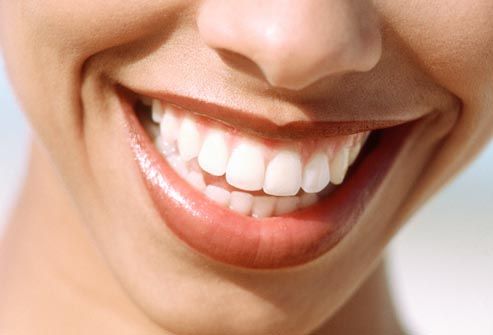
Dental implants are common enough and they have helped many patients regain their oral health and confidence. These days, implants are preferred alternatives to bridges and dentures in addressing loss of teeth.

http://www.trbimg.com/img-559ef1c5/turbine/sc-hlth-0715-dental-implants-20150709
Image source: Chicagotribune.com

Dental implants involve minor surgery, and patients must undergo comprehensive pre-surgery examinations such as dental x-rays and CT scans. These forms of imaging will give the surgeon a guide in preparing for the actual procedure.

In pre-surgery preparations, patients must be open to their maxillofacial surgeon or periodontist about existing medical conditions, including medications. This also allows them to estimate the length of time needed for their own recovery and other steps needed for the surgery to be successful.

Antibiotics might be required beforehand for those with heart conditions or orthopedic implants to prevent infection. Depending on the case, a surgery might be done multiple times in order to allow proper healing. Patients must commit to caring for their teeth and implants after the surgery so they can enjoy the benefits of good oral health.
http://img.webmd.com/dtmcms/live/webmd/consumer_assets/site_images/articles/health_tools/better_smile_slideshow/getty_rm_photo_of_woman_smiling..jpg
Image source: Webmd.com

As a board-certified oral and maxillofacial surgeon, John Pasqual, DMD, PA, manages a wide variety of problems of the mouth and facial regions. He is an expert in techniques designed to rebuild bone structure with minimal surgical intervention and optimal patient comfort. He also diagnoses and treats facial pain and facial injuries, among others. Visit this page for more information about his practice.

Wednesday, June 1, 2016

Life Of a Tooth: Stages Of Teeth Development

Image source: voanews.com
The formation and development of teeth are complex processes that begin by the third week after conception, when the mouth starts to form. Until about the age of 25, a person’s teeth are in the development stage, until the third set of molars, the wisdom teeth, has erupted.

There are two kinds of teeth, namely primary and permanent. Tooth eruption occurs at different stages of human development.

Tooth development starts inside the womb. Tooth buds of primary or “baby” teeth start to form at around eight weeks after conception. As early as two months after birth, these baby teeth can already become visible.

At two and a half years, the full set of 20 primary teeth will have developed. Children respond to tooth eruption differently but majority experience disturbed sleep, feeding irritability, and swollen tender gums. This period is called “teething” and it is often characterized by drooling or dribbling.

Between the ages of 11 and 12 years, the last primary tooth is shed and permanent tooth starts to develop. Primary teeth start to wobble at around age six and over roughly seven years, 20 primary or “baby” teeth will be replaced by 28 permanent teeth. Both primary and permanent teeth follow the same process of eruption. Typically, teeth erupt in the following order: central incisor, lateral incisor, first molar, canine, and second molar.

The last teeth to appear are the third set of molars in the very back of our mouths or “wisdom teeth.” This set of teeth begins to erupt between the ages of 17 and 25 years. When wisdom tooth is misaligned, it must be removed through dental surgery to prevent pain and infection.

Dr. John Pasqual is a notable oral and maxillofacial surgeon specializing in oral-facial surgery and dental implants. Visit this website for more information about Dr. Pasqual’s practice.


Tuesday, May 10, 2016

Effects Of Smoking On Dental Implants

According to the U.S. Department of Health and Human Services, smoking causes one of every five deaths in the country each year. Smoking is linked with a number of serious diseases in nearly every organ of the body including the heart, bones, and lungs. Additionally, smoking also has detrimental effects on an individual’s oral health. Nicotine addiction increases the risks of gum disease and oral lesions and delays wound healing after oral surgeries. Various studies have also proven that smoking increases the risk of dental implant failure.

http://i4.mirror.co.uk/incoming/article6485685.ece/ALTERNATES/s615b/Smoking.jpg
 Image source: mirror.co.uk

In a literature review of clinical studies published between 1990 and 2006, researchers have found out that smoking is one of the prominent risk factors affecting the success rate of dental implants. Furthermore, smoking also increases complication rates of dental implants. Incidences of marginal bone loss and peri-implantitis after a dental implant are significantly higher for tobacco users. Failure rates of implants in smokers compared to nonsmokers range from 6.5 percent to 20 percent as reported in numerous studies.

http://img.medicalxpress.com/newman/gfx/news/hires/2014/7-newmaterials.jpg
 Image source: medicalxpress.com

Dentists should inform patients about the risks and complications of smoking on dental implants. Smokers are advised to stop the habit at least a week before and up to two months after surgery to reduce the risk of implant failure.

http://www.bcdental.org/uploadedImages/Your_Dental_Health/Dental_Conditions/Tooth_Sensitivity/patient_dentist_talking.jpg?n=1139
 Image source: bcdental.org

Dr. John Pasqual is an experienced oral and maxillofacial surgeon specializing in oral-facial surgeries and dental implants. For more information about Dr. Pasqual’s practice, visit this website.

Tuesday, April 12, 2016

What You Need To Know About Teeth Whitening And Dental Implants

Image source: youtube.com
Dental implants are basically replacement teeth. This is an option given to patients who have lost a tooth or teeth due to an injury or a disease. These replacement teeth are made to match the individual’s natural teeth. Success rates for these implants depend on each patient and his or her periodontal history, but generally, there is a 98 percent chance that these implants will last forever. That said, patients may want to improve his or her appearance cosmetically, including having his or her full range of teeth – dental implants included – whitened.

The good news is that dental implants can be whitened. There a few considerations that dentists impress upon.

What is ideal: Most dentists would recommend having teeth whitened before having the dental implant or crown. In this way, dentists can match the color better to the whitened teeth.

What to expect: If a patient already has a crown on a porcelain implant, the latter will not get whitened. If the crown is visible, it may have to be replaced to match the newer and lighter color.

Image source: pinterest.com
Smoking plays a factor: Stains from smoking can be removed during standard prophylaxis and good oral hygiene. However, stains on dental implants are harder to remove. Several factors come into play here: smoking and poor hygiene may affect the gum and bone surrounding the implant and may lead to several complications during the teeth whitening. Also, whitening solutions work best on natural teeth. These solutions may also be used on implants but may produce the exact desired effect.

Patients considering teeth whitening should visit their dentist and see how much improvement they can expect.

Dr. John Pasqual is a respected dentist specializing in dental implants and wisdom teeth extraction. For more information, follow this Twitter account.

Thursday, January 14, 2016

Restoring Smiles: Are Dental Implants for Everyone?

Image source: Groupon.com.au
For many, losing a tooth or several teeth can be a nightmare. Not only can this situation result in inconveniences in their lifestyles, but it can also cause a drop in their self-confidence. For this reason, dentists offer dental implants that allow patients to regain not only their smiles but also their self-esteem.

A dental implant is an artificial tooth root, usually made of titanium, used to support false teeth. The dental implants are surgically placed into the jawbone to provide stable support for dentures and bridges, which is especially helpful when eating or speaking.

But is everyone allowed to get dental implants? In most cases, anyone who is healthy enough to undergo routine dental extraction can get a dental implant. Actually, for many patients, the implants are placed after the tooth extraction process.

Of course, patients who want dental implants need to have healthy gums. They also need to be committed to good oral hygiene and regular dental visits since experts agree that implants, just like natural teeth, will last for as long as patients care for them.

People suffering from chronic disorders like diabetes and heart disease should be evaluated on an individual basis.
Image source: PBHS.com

There are instances when a dental implant is not applicable because there’s not enough bone in the jaw to accommodate the implant. In cases like this, bone grafting may be recommended before placing the dental implant.

Dr. John Pasqual is a board-certified surgeon and a diplomate of the International Congress of Oral Implantologists, an organization that focuses on dental implant research and education. Visit www.pasqualoms.com for more information about dental health.


Friday, January 8, 2016

Foods to Eat and Avoid after your Wisdom Teeth Extraction

Your wisdom teeth are the last set of molars to develop. These are commonly removed, especially when they are impacted and cause pain or teeth crowding. While getting your wisdom teeth out can be painful, it should heal in a couple of days.

While the extraction site is healing, you need to avoid certain kinds of food. Here’s a list of what you can and cannot eat while you’re recovering from your wisdom teeth extraction.

image source: wikihow.com

What to avoid

Twenty-four hours after your surgery, avoid eating foods that have extreme flavor and temperature. Hot foods can lead to bleeding. Avoid eating oats, grains, or foods that might get stuck in your gums or teeth. You should also avoid foods that will require you to chew a lot.

You should also stay away from drinking with a straw because doing so may promote blood clotting. Don’t eat highly acidic foods, too, because they can irritate tissues and cause pain in surgical sites.
  
Image source: garlicandzest.com

What to eat

It is important to drink lots of fluids daily to avoid dehydration. To speed up healing of wounds, include high calorie and high protein foods in your diet. You can also eat apple sauce, soup, jello, ice cream, yogurt, smoothies, and mashed vegetables while you’re waiting for your gums to heal.

Dr. John Pasqual is a board-certified oral and maxillofacial surgeon specializing in oral-facial surgery and dental implants. For the latest in oral health, follow this Twitter account.

Monday, December 14, 2015

Teeth Replacement: Dental Bridge vs. Implant

Missing even just a tooth poses a serious problem to one’s oral health. Missing teeth can have a negative impact on dental health as the condition triggers the misalignment of the remaining teeth and the physical condition of the gums, which consequently changes the mouth’s overall appearance and functionality.

There are many ways to replace missing teeth. Two are of the most popular procedures are dental bridge and dental implants. For the best option, numerous factors have to be considered, such as cost, life span, and appearance.
Image source: chicagotribune.com
While both serve the same purpose, dental bridge and dental implant differ mainly in structure. Bridges are technically dentures that are placed between two adjacent natural teeth. They are attached to natural teeth with resin cement and metal bands. Dental implant, meanwhile, is an artificial tooth that is installed directly into the jaw.

In terms of appearance and function, dental implants look more natural. They are also stronger and more efficient for chewing. Unlike bridges, a dental implant can stand on its own without requiring healthy teeth for installation.
Image source: en.wikipedia.org

Compared to bridges, which has a lifespan of eight to 15 years, dental implants are considered a permanent replacement for missing teeth. Although they may be more expensive and may require months to be fully installed, they can be more cost-effective over time.

Dr. John Pasqual performs a full suite of procedures for both for adults and children, including dental implant surgery and wisdom tooth. Learn more about his expertise through this website.